Moving antiques in Bow's narrow terraces without damage
If you are moving antiques in Bow's narrow terraces without damage, you already know this is not a normal house move. Staircases are tight, hallways are awkward, front steps can be unforgiving, and one careless turn can leave a dent in a cabinet or a crack in a mirror. Add in the reality of period furniture, uneven floors, and London traffic at the wrong moment, and the whole thing needs a calmer, more measured approach than most people expect.
This guide walks through what works in real life: how to protect fragile, valuable, or sentimental pieces, how to plan for narrow access, what tools actually help, and where people usually go wrong. You will also find a practical checklist, a comparison table, and a few grounded tips that make the day feel far less chaotic. Truth be told, a bit of planning saves a lot of nerves.
For readers who want to understand the bigger picture of storage, access, and moving support in the area, you may also find the main Bow storage website useful, along with the company background on the about us page and the contact page if you need to ask specific questions.
Table of Contents
- Why this matters in Bow's narrow terraces
- How the moving process works
- Key benefits and practical advantages
- Who this is for and when it makes sense
- Step-by-step guidance
- Expert tips for better results
- Common mistakes to avoid
- Tools, resources and recommendations
- Law, compliance, standards, and best practice
- Options and method comparison
- Case study or real-world example
- Practical checklist
- Conclusion
- Frequently asked questions
Why Moving antiques in Bow's narrow terraces without damage Matters
Antiques are different from standard furniture because they often combine age, value, and fragility in one piece. A dining table might be solid but still vulnerable at the legs. A chest of drawers may look sturdy until a loose joint gives way under an awkward lift. A glazed cabinet, a long mirror, or a grandmother's writing desk can be ruined by one bad angle on a narrow staircase. In a terrace house, especially one with a tight hallway or a twist at the top of the stairs, the risk rises fast.
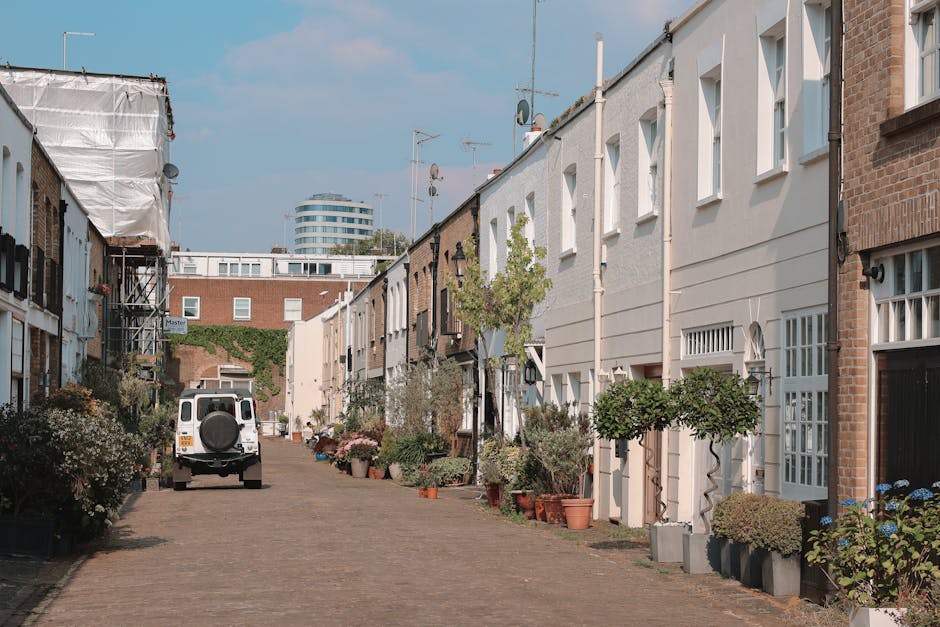
Bow's terrace layouts can make access tricky in ways that are easy to underestimate from the pavement. The front door might open into a small entry space. Bannisters may limit the turning radius. Old staircases can be steep, and the route from the room to the van often involves more pivots than you would like. If the property has decorative moulding, painted walls, or delicate floors, the move can become a careful exercise in patience rather than brute force.
That is why antique removals need more than enthusiasm and a couple of blankets. They need judgement. The person carrying the piece has to understand weight distribution, centre of gravity, friction, and how to protect both the item and the building itself. Not glamorous, maybe, but very important.
Expert summary: In narrow terraces, the safest antique move is usually the one that is slowed down early, measured properly, and packed with enough protection to absorb the small accidents that happen in real life.
This matters just as much for sentimental items as for high-value antiques. A chip on a leg or a hairline crack in a veneer may not look dramatic at first, but it can affect appearance, function, and value. If you are preparing a move in Bow, it is worth treating every antique as if the stairwell is narrower than you remember. It often is.
How Moving antiques in Bow's narrow terraces without damage Works
The process is less about lifting and more about sequencing. Good antique moving starts before the item is touched. The first step is to understand the object: its dimensions, weight, weak points, removable parts, and finish. Then you look at the route. Can the item turn in the hallway? Is there enough clearance above the bannister? Do you need to remove a door or a shelf? Will a second pair of hands help guide from the top or bottom of the stairs?
Once the route is understood, the item should be prepared for movement. That may include removing drawers, securing doors, wrapping glass, protecting corners, and padding any surface that might rub against a wall or rail. For larger pieces, it may also mean dismantling them in a careful, reversible way. In antique work, reversible is a lovely word. You want to leave as little trace as possible.
After preparation comes the actual move. Experienced movers often use a controlled, slow pace with one person focused on balance, another on route clearance, and a third on protection at pinch points if needed. It can look almost overcautious from the outside. That is usually a good sign. If you hear furniture scraping, you are already late.
In the van, the same logic applies. Heavy items are loaded in a way that prevents shifting. Blankets, straps, corner protectors, and soft barriers all help. The journey itself may only take a short while, but the loading and unloading stages are where a lot of damage happens. A moving van can be perfectly safe if the load is secured properly; it can also become a wobbling problem if the antique is left to slide on a corner because, well, someone "thought it would be fine".
Key Benefits and Practical Advantages
When antique handling is done properly, the benefits are both obvious and subtle. The obvious one is damage reduction. The subtler one is confidence. Once the route is planned and the item is packed well, the move becomes much less stressful for everyone involved. You stop worrying about every staircase creak and every narrow angle.
- Reduced breakage risk: Good wrapping and careful lifting reduce the chance of cracks, dents, and scuffs.
- Better protection for property: Walls, bannisters, flooring, and door frames are less likely to be marked.
- Less emotional stress: Sentimental pieces are easier to move when the process feels controlled.
- More efficient access planning: A proper route check can save time on the day.
- Lower likelihood of last-minute surprises: Measuring and preparing early avoids awkward "will it fit?" moments.
There is also a practical financial benefit. A damaged antique can be expensive to repair, and in some cases repair may not fully restore its original condition. Even where a piece can be fixed, the process may take time and specialist attention. Avoiding damage is usually better than dealing with restoration later. That sounds obvious, but people still underestimate it when they are rushing.
For those storing antiques between moves or after a downsizing decision, it can help to think beyond the move itself. A protected item that is carefully stored, documented, and labelled is far easier to handle later. If that is relevant to you, the general services information on the main Bow storage page may be a helpful starting point.
Who This Is For and When It Makes Sense
This approach makes sense for anyone moving valuable, old, fragile, or awkwardly shaped items through restricted access. That might be a family moving out of a terraced home near Bow's busier roads, a landlord clearing a property with inherited furniture left behind, or a collector transporting a cabinet, mirror, clock, or set of dining chairs to a new address.
It is especially relevant if:
- your property has a narrow hallway or steep staircase
- the antique has glass, marble, veneer, inlay, or loose joints
- the item is too bulky for one person to manoeuvre safely
- you need to move the item around corners, over thresholds, or up a split-level landing
- the weather, parking, or timing could add pressure on the day
Not every old item needs specialist handling, to be fair. A sturdy wooden side table with no delicate parts may only need wrapping and sensible lifting. But once you start dealing with genuine antiques, especially pieces with history or repair sensitivity, the margin for error gets very small. That is where expert handling becomes less of a luxury and more of a sensible decision.
And if you are not sure whether a piece counts as "antique" in moving terms, ask a simple question: would you be comfortable replacing it if something went wrong? If the answer is no, treat it with extra care.
Step-by-Step Guidance
1. Survey the item before anything else
Look for loose joints, veneer lifting, missing handles, cracked glass, previous repairs, or fragile decorative edges. Photograph the item from several angles. This helps you remember its condition before the move and gives you a record if anything later needs discussion.
2. Measure the route, not just the furniture
Measure the widest point of the item, then compare it with door widths, hallway clearances, landings, stair turns, and ceiling height where relevant. The route matters more than the item alone. Many people focus on the sofa-sized problem and then forget the banister that makes the actual turn impossible. Happens all the time.
3. Remove what can safely be removed
Take out drawers, shelves, detachable legs, loose shelves, and fragile fittings where appropriate. Store fixings in labelled bags. Keep a simple note of where everything belongs. That little bit of tidiness saves a surprising amount of head-scratching later.
4. Wrap and pad in layers
Use soft protective layers first, then stronger outer protection if needed. Corners, carved edges, mirrors, and table legs usually need more attention than the broad flat surfaces. For polished wood, avoid anything abrasive that could leave marks.
5. Protect the property too
Lay down floor protection where the route is tight. Pad door frames, corners, and bannisters if there is a risk of contact. In narrow terraces, a move often goes better when the house itself is treated as something worth protecting, not just the antique.
6. Assign roles clearly
One person should lead the move verbally. Another may guide the rear or bottom of the item. If there are stairs, say the next movement out loud before making it. Simple phrases like "pause", "turn", and "clear" can prevent the awkward half-lift that ends in a scrape. It sounds a bit formal, but it works.
7. Lift with the path in mind
Do not just lift the object; lift for the route. Angle matters. Balance matters. Sometimes the correct move is to tip slightly, rotate carefully, and pause halfway through a stair landing. Rushing here is usually the enemy.
8. Load the van securely
Place heavier items where they will not shift and keep fragile pieces separated. Use straps to stop movement. Fill gaps with soft materials so the antique cannot rattle around during transit. Even a short drive through Bow's roads can introduce enough movement to cause trouble if the load is loose.
9. Unload in reverse with equal care
People often relax too soon. That is when accidents happen. The item should be brought in with the same attention used to get it out. Give yourself enough time. If the front room is not ready, stop and clear the space first rather than forcing a rushed landing.
Expert Tips for Better Results
A few small habits make a disproportionately big difference.
- Use the right size blanket or wrap: Overhang and bunching can create awkward bulk. You want coverage without making the piece unwieldy.
- Check for hidden weak points: Back panels, old glue lines, and foot joints often need more protection than the visible front.
- Keep screws and fittings together: One labelled bag per item is easier than one large mixed bag. Ask me how we know. Actually, don't.
- Move earlier in the day if possible: Energy, light, and attention tend to be better before everything gets rushed.
- Allow extra space at doorways: Open internal doors fully and hold them secure so they do not swing into the route.
- Don't guess the weight: If it feels borderline, treat it as heavier than expected. Old timber can surprise people.
One very practical tip: test the route with a cardboard template or a tape measure before moving the actual item. It sounds almost too simple, but it can prevent a lot of awkward "just turn it a little" moments. In narrow terraces, "a little" is often the whole problem.
Another small point: keep your voice calm. The person holding the item is already concentrating. Clear instructions beat panic every time.
Common Mistakes to Avoid
Most antique damage happens because someone underestimates one of three things: the item, the route, or the time pressure. Usually all three at once.
- Not measuring the stair turn: The landing may look fine until the cabinet arrives and suddenly it is not.
- Forgetting to remove loose parts: Keys, drawers, glass shelves, and detachable feet are easy to overlook.
- Using the wrong wrapping materials: Thin plastic on polished wood can trap moisture or shift too easily.
- Dragging instead of lifting: This can damage both the piece and the floor.
- Leaving parking and access too late: A perfect packing plan can still unravel if the van cannot stop nearby.
- Trying to move too many items at once: It is slower in the long run, though people keep trying it. Human nature, I suppose.
Another mistake is assuming all antique movers will handle the same way. They do not. Some pieces need dismantling. Some need custom padding. Some need a wider crew. If the item has been repaired before, it may also need extra caution around old joints and stress points.
Finally, do not leave the space cluttered. Narrow terraces get tighter when hallways are full of shoes, bags, lamps, and storage boxes. Clear everything you can beforehand. It is a tiny task that pays back fast.
Tools, Resources and Recommendations
You do not need a warehouse of equipment, but the right tools make the job far safer. The aim is not to make the move look fancy; the aim is to make it controlled.
| Tool or material | What it helps with | Best used for |
|---|---|---|
| Furniture blankets | Soft surface protection | Wood, cabinets, tables, and general wrapping |
| Corner protectors | Protects sharp edges and carved corners | Frames, mirrors, wardrobes, and cabinets |
| Straps | Stops movement during lifting or loading | Large or heavy pieces in the van |
| Labels and bags for fittings | Keeps hardware organised | Drawers, legs, shelving, handles |
| Floor protection | Reduces scratches and dirt transfer | Hallways, stairs, and thresholds |
| Gloves with grip | Improves hold without reducing control | Polished or awkward surfaces |
If storage is part of your plan, choose a place where items can be kept dry, stable, and clearly identified. Antiques do not like damp corners or random stacking. That much is common sense, though it is surprising how often common sense gets left in the hallway on moving day.
If you are comparing moving help and want to understand the team behind the local service, the about us page is the best place to see how the business presents itself, while the contact page is the sensible next step if you need to discuss access, timing, or a piece that feels especially awkward.
Law, Compliance, Standards, and Best Practice
For a residential antique move, the main concerns are usually safety, care, and reasonable handling rather than complicated legal formalities. Still, good practice matters. If a mover is carrying heavy items, they should use methods that reduce the risk of injury to themselves and damage to property. Safe manual handling is not just a nice extra; it is part of doing the job properly.
Property access also needs sensible planning. If a van is stopping on a public road in Bow, parking and loading should be arranged in a way that avoids unnecessary obstruction. That may involve timing, communication, and a realistic loading plan. Exact local restrictions can vary, so it is always worth checking practical access in advance rather than assuming it will work out on the day.
From a best-practice angle, documentation is worth keeping. Photos, condition notes, and a simple inventory help protect everyone if there is any doubt later about the state of an item before or after the move. This is especially useful for antiques with existing wear or previous repairs.
If you store antiques after moving, general expectations remain the same: keep them dry, secure, and separated from anything that could mark or press into them. Avoid stacking heavy items on delicate pieces, even temporarily. It sounds basic, but it matters.
Where insurance is concerned, policies can vary a lot. If you are moving valuable antiques, check in advance what is covered and what is not. Do not assume. A five-minute read is less exciting than a broken heirloom, which is a trade I would happily make every time.
Options, Methods, or Comparison Table
There is more than one way to move antiques through Bow's narrow terraces, and the right method depends on the size, value, fragility, and route. Here is a simple comparison to help you think it through.
| Method | Best for | Strengths | Limitations |
|---|---|---|---|
| DIY move with helpers | Small, sturdy antiques with straightforward access | Flexible, lower upfront cost | Higher risk if handling is inexperienced or access is tight |
| General removal team | Mixed household moves with a few delicate items | Good for broader moving tasks, faster loading | May not be ideal for highly fragile or unusual antiques |
| Careful specialist-style handling | High-value, delicate, or awkward antiques | Better attention to wrapping, route planning, and protection | Usually takes longer and may cost more |
| Move plus temporary storage | Staggered move-in dates or renovation gaps | Useful when the new property is not ready yet | Requires proper packing and storage discipline |
For many Bow households, the best option is a calm middle ground: careful handling for the antiques, practical support for the rest. That balance is often better than trying to treat every item as either "easy" or "impossible". Real life sits somewhere in between.
Case Study or Real-World Example
Picture a typical terraced property with a narrow front room, a short hallway, and a staircase that turns tightly at the first landing. The client has an antique sideboard, a framed mirror, and two dining chairs inherited from family. Nothing is absurdly large, but each item has one weakness: the sideboard has a slightly loose lower panel, the mirror is tall and awkward, and one chair has a repaired leg joint.
The move starts with measuring the hallway and stair turn. The sideboard is emptied, the drawers are secured, and the loose panel is padded so it will not shift. The mirror is wrapped separately and kept upright. The chairs are carried one at a time rather than stacked together. A floor runner is laid across the tightest part of the route because the floorboards are old and easy to mark.
During the move, the team pauses at the landing to re-angle the sideboard. There is no drama. No rush. Just a short pause, a small adjustment, and the piece continues safely down the route. In the van, the mirror is placed against a protected surface and secured so it cannot slide. The whole process takes longer than a rushed move would have, but nothing is scraped, and nothing needs repair afterward. That is the point.
Little moments like this are where expertise shows. Not in grand statements, just in a door frame left unmarked and an old family piece arriving intact.
Practical Checklist
Use this checklist before moving day. Print it, screenshot it, scribble on it. Whatever works.
- Measure every antique and every key point on the route
- Check door widths, stair turns, bannisters, and landings
- Remove drawers, shelves, loose fittings, and fragile attachments
- Photograph each item before wrapping
- Label all screws, keys, and fittings clearly
- Prepare blankets, corner protection, straps, and floor covering
- Clear hallway clutter and open internal doors fully
- Confirm who is leading the move and who is guiding
- Plan where the van will stop and how loading will happen
- Make sure the new space is ready before unloading begins
- Check whether storage is needed if the destination is not ready
- Review any insurance or handling concerns for high-value items
Practical takeaway: if you solve access, protection, and timing before the van arrives, the move becomes much calmer. That is the real secret. Not magic, just preparation.
Get a free quote today and see how much you can save.
Conclusion
Moving antiques in Bow's narrow terraces without damage is absolutely achievable, but it rewards patience and planning more than speed. The narrow layout, stair turns, and older building features common in terrace homes mean that even modest items can become awkward if they are not prepared properly. Once you understand the route, protect the item, and move with care, the process becomes far more manageable.
The main thing to remember is this: antiques usually fail at the weak point, not the strongest one. So protect the joints, corners, glass, and finishes, and do not let the pressure of moving day push you into a shortcut. A measured approach keeps the item safe and leaves the house looking like nothing stressful happened. Which, frankly, is the dream.
If you are still planning the move or want to discuss a specific piece, the contact page is there for that next step. For more context about the team, you can also visit the about us page. A careful move is a quieter move, and that quiet is often exactly what your antiques need.
Frequently Asked Questions
How do you move antiques safely through a narrow terrace staircase?
Measure the route first, remove loose parts, wrap the item carefully, and move slowly with clear communication. In narrow staircases, the turn is usually the hardest point, so that is where extra patience matters most.
Do antiques need specialist packing materials?
Usually, yes. Soft blankets, corner protectors, padding, and secure straps help prevent rubbing, impact, and shifting. The exact combination depends on the item, but basic household wrapping is often not enough.
Should drawers and shelves be removed before moving antique furniture?
If they can be removed safely, yes. Loose parts add weight, can fall out, and may make the piece harder to balance. Keep screws and fittings together in clearly labelled bags.
What is the biggest risk when moving antiques in Bow's terraces?
The biggest risk is usually the combination of tight access and rushing. A piece that might be easy in an open space can become awkward on a narrow landing, especially if someone tries to force the turn.
Can I move a large antique cabinet myself?
Sometimes, but only if the piece is manageable, the route is straightforward, and you have enough help. If the item is valuable, delicate, or too awkward to control safely, getting experienced assistance is the safer choice.
How do I protect walls and bannisters during the move?
Use floor protection, pad contact points where needed, and keep a clear route. A second person guiding the item can prevent accidental brushing against walls or railings.
Is it better to move antiques in the morning or later in the day?
Morning is often easier because energy and focus are usually better, and you have more flexibility if something unexpected comes up. That said, the best time is the one that gives you enough calm and access.
What should I do if the antique will not fit through the staircase?
Stop before forcing it. Re-measure, remove more fittings if possible, or consider a different route such as a larger access point if available. Forcing the item can damage both the furniture and the property.
How do I know whether an antique needs professional handling?
If the item is fragile, valuable, unusually shaped, or has pre-existing repairs, it is wise to treat it as specialist handling territory. If you would hate to see even a minor mark on it, that is a strong sign.
Can antiques be stored safely between moves?
Yes, if they are packed properly and kept in a dry, stable environment with enough separation to avoid pressure or impact. Good storage is especially useful when moving dates do not line up neatly.
Do I need to check insurance before moving antiques?
Yes, absolutely. Insurance cover can vary, so it is sensible to confirm what is protected before the move begins. Do not assume an item is covered just because it is in transit.
What is the simplest way to avoid damage on moving day?
Start early, measure carefully, protect every vulnerable part, and keep the route clear. Honestly, most damage prevention comes from slowing things down just enough to stay in control.
If you want more information about how the business handles enquiries, policies, and practical support, you can review the privacy policy and the terms and conditions for further details.